
Is El Salvador Safe in 2025? + 21 Safety Tips for Travelers
Cat is Out of the Office contains affiliate links and is a member of the Amazon Services LLC Associates Program. If you make a purchase using one of these Amazon links, I may receive compensation at no extra cost to you. See my Disclosure Policy for more information.
So, you’re planning a trip to El Salvador – but is El Salvador safe to travel to?
Yes, El Salvador’s quickly becoming a popular place to be, and from my few weeks there, I see why.
Honestly, I was skeptical at first—its tough reputation had me on the fence. But curiosity won, and I’m glad it did. Just a short hop from Guatemala and I found myself in what turned out to be my highlight of Central America.
I won’t sugarcoat it—as a solo female traveler, I had my concerns about safety. But as someone who’s hit up 60 countries, I felt as safe in El Salvador as anywhere else.
The US has issued a Level 3 Travel Advisory for El Salvador, recommending travelers to reconsider their plans. However, this advisory level is quite common for many destinations I visit, so I proceeded with my trip.
Places you wouldn’t expect, like Spain and Sweden, have Level 2 advisories, so take it with a grain of salt. El Salvador felt completely accessible and welcoming to me.
The key? The same smart travel habits you use everywhere else. It also helps that the locals are just about the nicest folks you’ll meet.
Let’s dive into what makes it a solid choice for travelers – especially solo female travelers – looking for adventure.
Current Travel Advisory Notice for El Salvador
As of the publication of this post, the United States has issued a Level 3 Travel Advisory for El Salvador due to crime concerns. This advises travelers to reconsider travel to the country.
For the most up-to-date information and to check the current travel advisory status, please visit the U.S. Department of State’s El Salvador Travel Advisory page.
⛑️ My number one safety tip for travelers, no matter where you’re going or how long your trip is, is to buy SafetyWing insurance to protect your trip.
Is El Salvador Safe for Tourists?
El Salvador’s journey from a country with a tough reputation to becoming a welcoming destination for tourists, including solo female travelers, is truly remarkable.
The nation has seen a significant drop in crime rates, thanks partly to the government’s firm (and controversial) stance on gang-related activities.
Homicides in El Salvador have plummeted nearly 70% in recent years, allowing the country to boast safety statistics that rival, and in some cases surpass, those of well-trodden tourist destinations.
Despite this progress, it’s essential to stay informed about current travel advisories, such as the U.S. issuing a level 3 advisory, urging travelers to reconsider due to crime but also acknowledging the areas of improvement.
Petty crime and transportation safety remain concerns, mirroring global issues tourists face.
But in reality, El Salvador’s murder rate was the second-lowest in all of North and South America, only higher than Canada and quite a bit lower than the United States.
During my weeks wandering through El Salvador, I practiced the same level of caution I applied anywhere else. This approach and local wisdom on navigating the country—from avoiding certain areas at night to utilizing reputable transport options—ensured a safe experience.
I saw families enjoying evening strolls, women jogging on their own, and children playing outside without fear, painting a picture of a country that’s rapidly changing for the better.
Despite some challenges, the visible efforts to improve safety and security make El Salvador an exciting and viable option for travelers seeking safe new experiences.
👉 Book one of these private airport transfers for a stress-free arrival at any airport in El Salvador! Whether you’re heading to San Salvador or straight to El Tunco, these transfers are a great option.

What the US and UK Travel Advisories Say About El Salvador Safety
The US has given El Salvador a Level 3 Travel Advisory, which means they suggest thinking twice before going because of crime concerns.
This kind of warning isn’t just for El Salvador – lots of places have similar advisories.
Since 2022, El Salvador’s government has been really tough on gangs, which has made the country much safer but also led to a lot of arrests of citizens (which is also concerning).
Even though this has helped lower gang problems, there are still warnings about crime in certain areas.
Countries like Indonesia, India, and Thailand (where I live part-time and consider myself extremely safe) also have warnings to be extra careful, just like El Salvador.
The UK’s advice is pretty much the same—they say there’s no big risk of terrorism, but remind people to be careful, especially in big crowds, like after a football game overcrowding accident at Cuscatlán Stadium.
Canada also tells travelers to be cautious in El Salvador, mentioning the government’s strong actions against crime. They say you might see more police and security, and it’s smart to keep your ID handy, stay in at night, and let friends know where you are.
Even with these advisories, my time in El Salvador showed me that you can have a great trip if you’re careful and know what to expect. These warnings are helpful to know about, but they shouldn’t stop you from exploring.
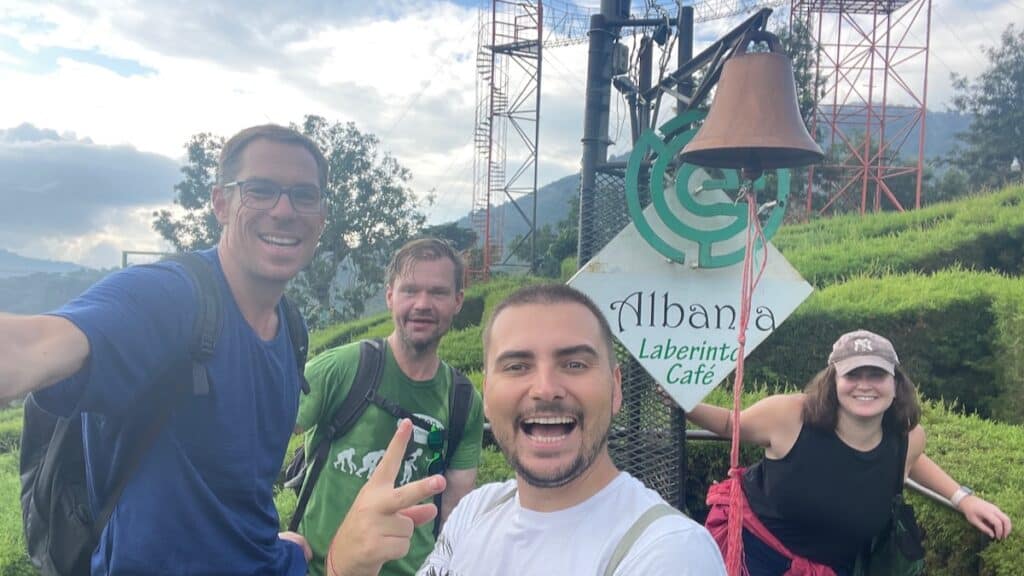
👉 My top pick for the best Ruta de las Flores small group tour is the Thermal Tour: Café Albania + Hot Springs + Ataco + Lunch, with a near-perfect 5-star rating. You’ll visit Salto de Malacatiupan waterfalls, Santa Teresa Hot Springs, hop a bike zipline, and more!

Is El Salvador Safe for Solo Female Travelers?
I almost skipped El Salvador completely during my 7 months backpacking in Latin America. It was a last-minute decision to go, and I’m so glad I did – it was my favorite stop in all of Central America!
Traveling solo as a female in El Salvador turned out to be an incredibly rewarding experience, much safer and more welcoming than many might assume.
During my journey, I explored the vibrant streets of San Salvador, the historic beauty of Santa Ana, the charming Ruta de las Flores, and the surf paradise of El Tunco.
Public transportation was my go-to, and yes, that included hopping on chicken buses for the long haul from San Salvador all the way to Honduras, navigating through two border crossings without a hitch.
I’ve always been one to stick to certain safety habits, like not traveling after dark and keeping a close watch on my belongings. Following these simple rules, I felt very safe throughout my travels in El Salvador.
The locals were incredibly helpful, often going out of their way to make sure I got to my destination safely.
A taxi driver told me that a few years ago, he couldn’t walk outside his house without bribing local gang members. He was proud to say that now he can walk anywhere in his neighborhood at any time of day.
Bumping into other backpackers at hostels turned into joining forces for some epic adventures.
And while my Spanish is far from fluent, knowing the basics and using a mix of smiles and Google Translate got me through.
I noticed that dressing more conservatively, in line with local customs, helped me blend in a bit more, avoiding unnecessary attention.
El Salvador is currently ranked as a safer country for tourists than Colombia, Mexico, Brazil, and Nicaragua and only slightly less safe than Peru – all countries I’ve also traveled solo (except Brazil, that’s still on my list).
My adventures across El Salvador and other Latin American countries have shown me that with the right precautions and an open heart, solo female travel here is not just possible but immensely fulfilling.
🚙 Thinking about renting a car in Central America? I rented a car in El Salvador and was able to see so much more than if I only traveled by bus. I recommend using Discover Cars to compare costs and get the best deal.
History of Crime in El Salvador: How Dangerous is El Salvador?
The country endured a brutal civil war from 1980 to 1992, which left deep scars and set the stage for gang violence to flourish in the following decades.
You might have heard some tough stories about El Salvador’s past, with its civil war and gangs like MS-13 and Barrio 18 causing chaos. El Salvador was once the murder capital of the world.
Is El Salvador safer now? Yes, things are looking up. Since President Nayib Bukele took over in 2017, he’s been all about cracking down on these gangs, and it’s actually working.
By 2023, murders had dropped by a whopping 70%.
Now, El Salvador’s starting to feel safer than many other places.
The locals I talked to are really happy with the changes. Places that used to be scary at night are now full of life, with kids playing and families hanging out.
Everyone seems to support what Bukele’s doing – Bukele just won reelection by a landslide.
There are some serious concerns. A lot of people in El Salvador are getting locked up, and human rights organizations are worried about how many people are being detained without much proof.
El Salvador is on a new vibe, shaking off its rough history and showing everyone it’s got a lot to offer. It’s not just about the beautiful spots and culture anymore – it’s also about being a place where people feel safe.
So, if you’re wondering, is El Salvador safe to visit? Now’s a pretty good time.
👉 Find out how much it costs to protect your trip today with Safety Wing travel insurance.


Why Visit El Salvador? (You Really, Really should)
If you’re on the fence about El Salvador because of safety worries, let me give you the lowdown on why this place should be high on your travel list.
El Salvador is like that hidden track on an album that you can’t believe isn’t playing on every radio station.
First off, the vibes here are unmatched. It’s a place where you can truly connect with locals, not just pass them by. Everyone’s open and welcoming, making you feel like you’ve been part of the community for years, not just a visitor.
- The Surf’s Up! El Salvador boasts some of the best surf spots in Central America. Places like El Tunco are surfers’ paradise, offering waves for both pros and beginners. Even if you’re not into surfing, watching the sunset with the surfers in the background is pretty much a spiritual experience.
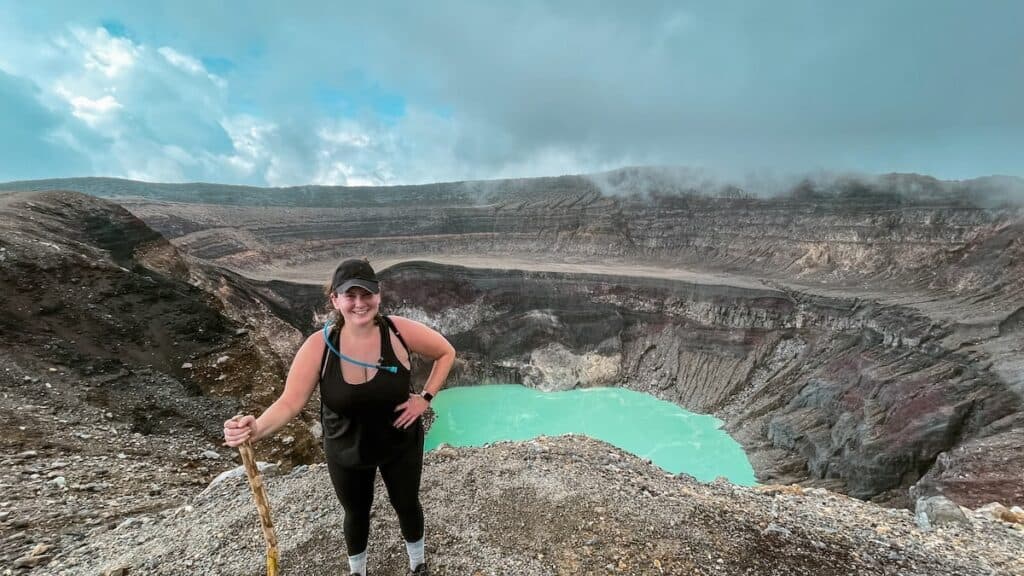
- Volcanoes and More: Fancy hiking up a volcano? The Santa Ana volcano hike is something out of this world, offering views that’ll make your Instagram friends green with envy. And that’s just one of the many natural wonders here.
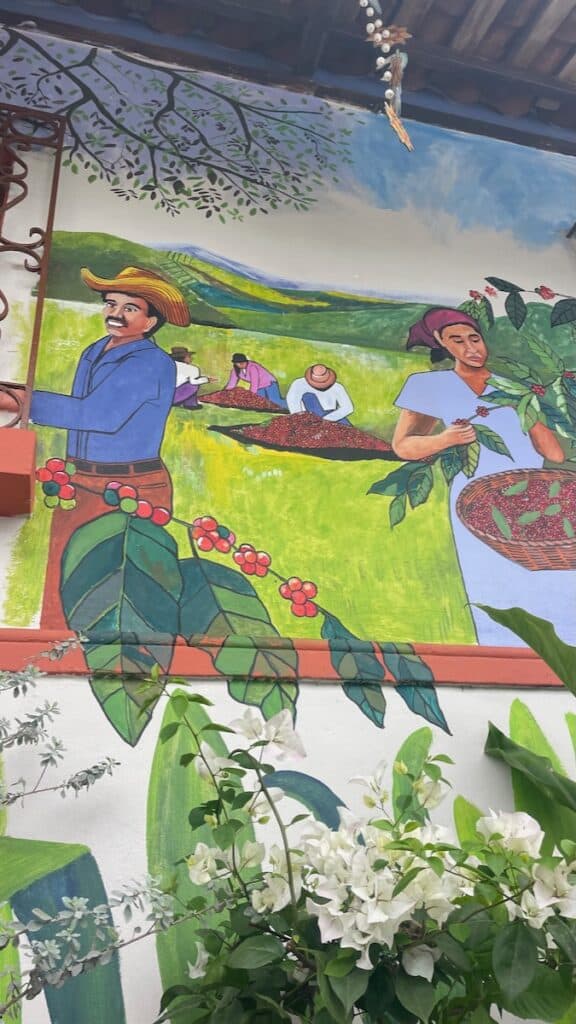
- Ruta de las Flores: This route is a colorful journey through charming towns, coffee plantations, and markets. It’s where you get to see the real El Salvador, taste the local cuisine, and dive into the culture.
- Rich History: From the ancient Mayan ruins of Tazumal to the vibrant streets of Suchitoto, El Salvador is a treasure trove of history waiting to be explored.
- The Food: You haven’t lived until you’ve tried a pupusa. Trust me. It’s the comfort food you didn’t know you needed. And the fresh fruit in El Salvador? The juiciest I’ve ever had. The local cuisine is a delicious blend of flavors that’ll have you coming back for more.
- It’s Affordable: Your dollar stretches far in El Salvador, making it a dream for travelers on a budget. You can enjoy the best of what the country has to offer without breaking the bank.
El Salvador is shaking off its past and showing the world what it’s really about: breathtaking landscapes, rich history, mouthwatering food, and a warm welcome that stays with you long after you leave.
So, why visit El Salvador? Because it’s an adventure, a cultural dive, and a chance to be part of a beautiful transformation story.
Get here quickly before the secret is out!
🌸 The highest-rated and best Ruta de las Flores tour is Thermal Tour: Café Albania + Hot Springs + Ataco + Lunch (Rated 5 out of 5 Stars)
Safest Places to Travel in El Salvador
When it comes to exploring El Salvador, some spots are not just incredible but also super welcoming and safe for travelers. Let me break it down for you:
- Santa Ana: Not only does it boast the incredible Santa Ana Volcano nearby, but the city itself is safer than many realize. I spent the most time in Santa Ana at a great hostel – It’s the perfect base for adventure seekers looking to explore the great outdoors. The hike up the volcano was a highlight for me!
- Ruta de las Flores: The “Flowers Route” takes you through some of the country’s safest and most picturesque towns. Juayua, with its famous food festival, and Apaneca, offering an adventure park and coffee plantations, are must-visits. The Seven Waterfalls Hike was intense but a blast!
- Suchitoto: This charming town is like stepping back in time with its cobblestone streets and colonial architecture. It’s peaceful, artsy, and full of friendly faces. You can wander around without worry, soaking up the rich culture and history, and hike down to a gorgeous waterfall.
- El Tunco: Known for its laid-back surf vibe, El Tunco is more than just waves. It’s a small, secure spot where everyone seems to know each other. The nightlife is lively yet chill, making it a great place to mingle safely. I’ll be honest, I was pretty underwhelmed by El Tunco, but everyone loves it!
- El Zonte: Often overlooked, this beach town is making a name for itself as a haven for digital nomads and surfers. It’s quiet, with a strong sense of community and an emerging scene for travelers looking for a serene beach experience. I didn’t make it to El Zonte, so it’s on my list for next time.
- San Salvador: As the capital city, San Salvador is buzzing with energy and has plenty to offer, from fascinating museums to vibrant markets. Sure, it’s a big city with its share of unsafe neighborhoods—like any major city around the world—but many areas are safe and welcoming. Many travelers spend a few days here exploring the city or using it as a base for day trips.

Dangerous Places to Avoid in El Salvador
While El Salvador is making great strides in safety and becoming a fantastic destination for travelers, like any country, it has areas that are best avoided.
Being street-smart about where you go is key to enjoying all the beautiful things this country has to offer. Here’s a quick rundown of places to steer clear of:
- Certain Areas in San Salvador: The capital is vibrant and full of life, with loads to see and do. However, some parts of the city, especially after dark, can be risky. It’s wise to avoid neighborhoods known for higher crime rates and stick to well-lit, busy areas. I always ask my hostel about safety – they know the places to avoid and can advise you on how to get around.
- The Borders: Border areas, particularly those close to Honduras and Guatemala, can be hotspots for criminal activity. If you’re crossing borders, do it during daylight hours and stick to the main checkpoints. I crossed the Guatemala and Honduras borders solo and had no issues.
- Remote Beaches at Night: El Salvador’s beaches are stunning, but secluded spots can become unsafe after sunset. Enjoy the sun, surf during the day, and head back to more populated areas when it gets late. Again, check with your accommodation – they’ll have the latest information on what’s safe and what’s not.
- Non-touristy Rural Areas: While rural El Salvador offers breathtaking scenery, some remote areas may pose safety risks due to lesser police presence. Always do your research before venturing off the beaten path, and consider joining guided tours for those out-of-the-way places. For example, it’s best to go with a local guide on the Seven Waterfalls Hike in Juayua.
- Public Transport in Certain Areas: While I used public buses all over Central America without issue, be cautious on public transport, especially in less touristy areas. Keep a close eye on your valuables. Opt for reputable taxi services or Uber (available in Santa Ana and San Salvador) at night, which can be safer and more reliable.
So, is El Salvador safe for travelers?
Most visits to El Salvador are trouble-free, especially when sticking to tourist-friendly zones. The key to a safe trip is staying informed, keeping an eye on travel advisories, and listening to local advice on areas to avoid.


Tips for Traveling Safely in El Salvador
The answer to “Is El Salvador safe to visit?” is subjective and depends greatly on the individual traveler.
These are my tried and true safety tips that I followed in El Salvador and that keep me safe everywhere I go, including at home!
1. Book a Tour on Day One: When I am nervous about exploring a new country, I book a tour for my first day, either a city tour or a day trip. It’s a great way to get comfortable and ask a local guide all your questions. It helps a lot in getting your bearings right.
2. Check with Your Hostel: Ask your accommodation for the latest safety info before exploring. They’ll know which spots are cool and which to avoid.
3. Mind the Weather: Hurricane season runs from June to November. Keep an eye on the weather.
4. Volcano Awareness: Keen on volcano trekking? Hiking the Santa Ana Volcano was one of my favorite days of the trip. It’s best to go with a guide.
5. Be Street Smart: Keep an eye on your surroundings and avoid walking or driving in unknown areas after dark. Keep your belongings on your lap or where you can see them on public buses. Keep valuables with you (sometimes they put big bags on top of the bus).
6. Low Profile: Avoid showing off wealth. Think simple, not flashy. Leave the jewels at home.
7. Watch Your Drinks: I avoid going out to drink alone since it makes me an easier target. Never leave your drink unattended, and watch the bartenders make it. Don’t get intoxicated solo.
8. Say No to Drugs: Buying drugs puts you right into dangerous spots. Just don’t.
9. Drive Safe: Rent a car with a reputable company, ensure you’re properly insured, stick to daylight hours, and anticipate traffic delays.
10. Stay Informed: US citizens should sign up for STEP (Smart Traveler Enrollment Program) to get travel alerts and make it easier for the embassy to reach you in an emergency.
11. Bank Smart: Always use ATMs in well-lit, secure locations, preferably inside a bank or a busy area. Cover the keypad when you type your PIN. This reduces the risk of tampering or unwanted attention. I’ve found it best to carry just one debit, one credit card, and minimal cash on me for daily expenses and leave the rest securely locked up back at my accommodation. This way, if a card gets lost or stolen, you’re not left without access to your funds.
12. Health Prep: Check the CDC’s travel page for vaccine and health info before you go.
13. Cross Borders Wisely: Use official crossings and aim to arrive at your destination before dark. I crossed many borders in Central America and never had any issues. Exchange minimal money at the border – those are the worst rates you’ll find (I just got enough for my bus into town).
14. Keep Your Phone Charged: I always have a spare battery handy because my phone is my lifeline when I’m traveling. It’s how I navigate, communicate with friends and family back home, and access important information like maps and travel guides. Make sure to keep your phone charged at all times.
15. Save El Salvador Emergency Numbers in Your Phone:
- Police: 911
- Fire Department: 913 or 2527-2300
- Salvadoran Red Cross: For emergencies, dial 2222-5155
16. Expect Security Checks: Be ready for checkpoints and cooperate with local security forces. I always have my ID and a copy of my passport handy, but I typically leave my original passport secured at my accommodation.
17. Travel Insurance: Make sure it covers medical evacuation and any adventurous activities you plan to do. Here’s the one I use.
18. Stay Updated: Keep an eye on local news for any developing situations that could affect your safety.
19. Taxi Tips: Avoid hailing taxis at taxi stands and on the street – one of the most common scams is tourists getting overcharged by taxis. Use reputable services or apps where possible. Negotiate your fare in advance if it’s not pre-set.
20. Stay away from political demonstrations: Protests and demonstrations can quickly turn violent, so it’s best to stay clear of these areas. If you happen to come across one, leave the area immediately.
21. Travel Tools: I love Apple Airtags to track my bags. My parents also track my iPhone from home, so they always know of where I am.
I’ve heard of solo female travelers wearing a fake wedding ring, using door/wearable alarms, or using a rubber door wedge in their hotel rooms. I’ve never felt the need to do any of these things on my travels, but you should do whatever makes you feel comfortable!
While staying safe is important, don’t let fear hold you back from experiencing all the beautiful adventures El Salvador has to offer. With these tips in your travel toolkit, you’re all set for an unforgettable journey!

FAQs about Is El Salvador Dangerous?
Is travel to El Salvador safe for tourists?
Yes, El Salvador is safe for tourists, especially when following recommended safety precautions and staying informed about areas to avoid.
Is El Salvador safe for US citizens?
Yes, El Salvador is safe for US citizens by using common travel safety practices and by staying updated with travel advisories.
What parts of El Salvador to avoid?
Avoid certain areas in San Salvador, remote beaches at night, border regions, and less-touristy rural areas due to higher crime rates.
Is it worth going to El Salvador?
Absolutely, El Salvador is worth visiting for its vibrant culture, stunning landscapes, surfing beaches, and historical sites, offering a rich and rewarding travel experience.
Is public transportation in El Salvador safe?
Public transportation in El Salvador is generally safe. Keep a close eye on your belongings and avoid using public transportation at night.
Is San Salvador safe?
San Salvador is safe for travelers who stick to well-populated areas, avoid traveling at night, and follow general safety advice. Always check with your accommodation for the latest safety advice.
Is Santa Ana El Salvador safe?
Santa Ana, El Salvador, is safe for travelers who take basic safety precautions and avoid wandering too far from the main areas.

Conclusion: Is El Salvador a Safe Country?
El Salvador might just be Central America’s best-kept secret, and my time there has been unforgettable.
El Salvador offers so many different experiences – adrenaline-pumping surf breaks in El Tunco, stunning views atop the Santa Ana volcano, and the charming towns of Ruta de las Flores.
It’s safe to say after visiting 60 countries, this place really stands out. The locals in El Salvador are some of the friendliest and most welcoming people I’ve ever met.
Safety in El Salvador has come a long way, making it a solid choice for travelers, especially solo adventurers like myself.
Yes, some areas require caution, and it’s always smart to follow local advice and stay informed. But with common sense and the right precautions, the country is incredibly welcoming and accessible.
Don’t forget about travel insurance—SafetyWing has been my reliable companion, offering that essential safety net whether I’m catching a wave or a chicken bus across the country.
Now that you know El Salvador is a safe place to visit, you’ll want to check out my guide for backpackers in El Salvador.
Adios, and safe travels!
👉 Planning a backpacking trip through El Salvador or Central America? Don’t forget travel insurance—it’s a must! I trust SafetyWing for all my adventures. They cover everything from medical emergencies to lost luggage and more. Sign up for SafetyWing here and travel worry-free.
Read More About El Salvador:
- Ultimate 1 Week El Salvador Itinerary for Adventurers
- El Salvador Solo Travel: A Solo Female Traveler’s Guide
- Ultimate Travel Guide to Backpacking El Salvador
- Is El Salvador Safe? + 21 Safety Tips for Travelers
- Ruta de Las Flores: Ultimate Travel Guide + 17 Things to Do
- Ultimate Ruta de Las Flores Itinerary for 1-3 Days
- 3 Best El Salvador Hot Springs: Everything You Need to Know
- 10 Stunning Waterfalls in El Salvador that You Must See
- What is the El Salvador National Bird? + 11 Interesting Facts
- 13 Best El Salvador Tours You Can’t Miss
- Ultimate Guide to Renting a Car in El Salvador
- Best Time to Visit El Salvador for Outdoor Fun!
- Backpacker’s Guide to Chicken Buses in Central America
- San Salvador to Copan Ruinas via Bus: Easy Instructions
- 11 Delicious Fruits in El Salvador You Must Taste at Local Markets
- Is El Salvador Worth Visiting? + 15 Pros and Cons
- Best Ruta de las Flores Tours from San Salvador
- Seven Waterfalls Hike El Salvador: Epic Juayua Adventure
- Juayua Food Festival Guide (by a Food-Obsessed Traveler)
- Is Santa Ana El Salvador Safe?
📝 El Salvador Travel Planning Guide 🇸🇻🌟
Before you embark on your unforgettable journey to El Salvador, here are the essential tips every traveler should know:
🚑 Should I buy travel insurance for El Salvador?
✅ 100% YES! — My #1 Safety Tip for all travelers is to buy travel insurance for every trip in case anything happens on their visit. I recommend and use SafetyWing – it’s cheap and comprehensive.
🛟 Is El Salvador safe for tourists?
✅ YES, El Salvador is generally safe for tourists, but there are some areas to avoid. Ask your hotel for the most up-to-date information before heading out. When you’re out, stay alert, stick to busy streets, and avoid isolated areas. Read more about staying safe in El Salvador.
💧Can you drink the water in El Salvador?
🚱 No — It’s recommended to drink filtered or bottled water in El Salvador (but using tap water to brush your teeth is usually fine). I recommend this reusable water bottle! It works great, turning tap water into safe-to-drink water that tastes good.
🚙💨 Is it safe to rent a car in El Salvador?
Yes — Renting a car in El Salvador is one of the best ways to see the country! I recommend Discover Cars, which checks both international companies and local Salvadoran companies, so you get the best rates.
🏩 What’s the best way to book my El Salvador accommodations?
My go-to for El Salvador hotels is Booking.com. For hostels, I use HostelWorld. Or get free accommodations with Trusted Housesitters!
✈️ What’s the best site to book El Salvador flights?
For finding cheap El Salvador flights, I recommend CheapOAir.
🎫 Do I need a visa for El Salvador?
Likely Not — El Salvador allows visitors from close to one hundred jurisdictions to visit El Salvador without a visa and stay for up to 180 days. US passport holders don’t need an El Salvador visa for stays of up to 90 days, but you must purchase a tourist card for $12 USD upon arrival.
💰 𝗖𝘂𝗿𝗿𝗲𝗻𝗰𝘆: The currency here is the US Dollar, and there are plenty of ATMs if you need cash. I always withdraw from ATMs to get the best rates (select “no” when it asks you if you accept the conversion rate). Credit cards aren’t commonly accepted outside of major cities.
🪙 Tipping: Tipping 10% in restaurants is expected, but make sure it’s not already included in your bill as “servicio.”
🚕 𝗧𝗿𝗮𝗻𝘀𝗽𝗼𝗿𝘁𝗮𝘁𝗶𝗼𝗻: Getting around El Salvador is a breeze! Uber is safe and cheap in major cities like San Salvador and Santa Ana. Local buses are generally efficient and easy to use. Renting a car is also a good option.
🗣️ Language: Many locals don’t speak English, so brush up on your Spanish! It can also be helpful to download the Spanish language option on Google Translate if you’ll be offline.
📶 𝗖𝗼𝗻𝗻𝗲𝗰𝘁𝗶𝘃𝗶𝘁𝘆: El Salvador has inconsistent internet connectivity – it’s better in the main cities than in rural areas.