
Best Time to Visit El Salvador for Outdoor Fun!
Cat is Out of the Office contains affiliate links and is a member of the Amazon Services LLC Associates Program. If you make a purchase using one of these Amazon links, I may receive compensation at no extra cost to you. See my Disclosure Policy for more information.
Choosing the best time to visit El Salvador? Take it from me—avoid the rainy season—unless you have the flexibility to deal with sudden rainstorms and unexpected mudslides!
If you’re like most travelers, you probably don’t have the luxury of an open-ended vacation schedule with room for weather delays, and you want to make the most of your time.
Weather, crowds, and costs can make or break your time in El Salvador.
I experienced El Salvador’s rainy season firsthand. Rain turned trails like the Seven Waterfalls in Juayua into challenging, muddy treks and often left me stuck in my rental car in mudslide traffic.
Despite my soggy shoes, it was a lush time to see the country—but maybe more adventure than most bargain for!
So, whether you’re looking to avoid the rain, skip the crowds, or make your travel budget stretch further, let’s find that sweet spot for your trip to El Salvador, ensuring your vacation is memorable for all the right reasons.
✈️ Search for cheap flights to El Salvador here.

My Pick for the Best Time to Visit El Salvador: November to April
I’ve seen El Salvador in all weather—the good, the rainy, and the downright muddy!
November strikes the perfect balance between climate and scenery. The rain tapers off, yet the landscape remains lush and vibrant from the recent wet season, offering stunning green vistas without the hassle of heavy rains.
November to April is the dry season, and it’s hands down the best time to visit El Salvador.
You’ll enjoy warm weather and sunny skies, perfect for everything from beach days to mountain hikes.
However, while the scenery may not be as lush and the waterfalls less dramatic past November, the ease of travel and the abundance of activities during these months are hard to beat.
Remember, from mid-December to early January, places get busier and prices tend to hike due to tourists during the holiday season, so booking in advance is wise.
For those on the fence about crowds and peak prices, early November or late April is ideal, balancing good weather with fewer tourists.
What about the worst time to visit El Salvador?
If you want to avoid potential travel hitches, avoid the peak rainy season from June to September.
Heavy downpours lead to frequent mudslides and disrupt travel plans, especially if you want to explore the more rural and mountainous areas.
🚗 When I book rental cars online, I recommend and use Discover Cars. They have the best deals! And what’s more, they provide FREE cancellations up to 48 hours before your reservation.

El Salvador Weather by Season
Traveling full-time year-round has taught me a lot about embracing different kinds of weather, a challenge for someone who grew up under the steady skies of Southern California!
Here’s a glimpse of what to expect during the dry and rainy seasons in El Salvador.
Dry Season (November to April):
Pros:
- Consistent warm weather with clear skies, ideal for beach days and hiking.
- Roads and trails are generally dry, making travel between El Tunco and Santa Ana smooth and safe.
- Lower humidity makes exploring cities and archaeological sites more comfortable.
Cons:
- The landscape becomes dry and less vibrant as the season progresses.
- Waterfalls and rivers aren’t as impressive, with some drying up completely.
- Tourist spots get crowded, especially during the Christmas and Easter holidays, leading to higher prices.
☔️ I love this packable raincoat because it’s lightweight and packs up tiny to carry around in your backpack easily. Plus, it’s cheap and comes in a lot of colors!
Rainy Season (May to October):
Pros:
- The countryside is lush and green, perfect for photographers and nature lovers.
- Lower tourist numbers mean less crowded attractions and lower prices on accommodation and activities.
- Surf conditions are at their best, with excellent waves attracting surfers from around the globe.
Cons:
- Afternoon rainstorms are common, which can disrupt travel plans and outdoor activities.
- Increased risk of mudslides and flooding, especially in rural and mountainous areas.
- Some rural roads become impassable, and hiking trails may close due to safety concerns.
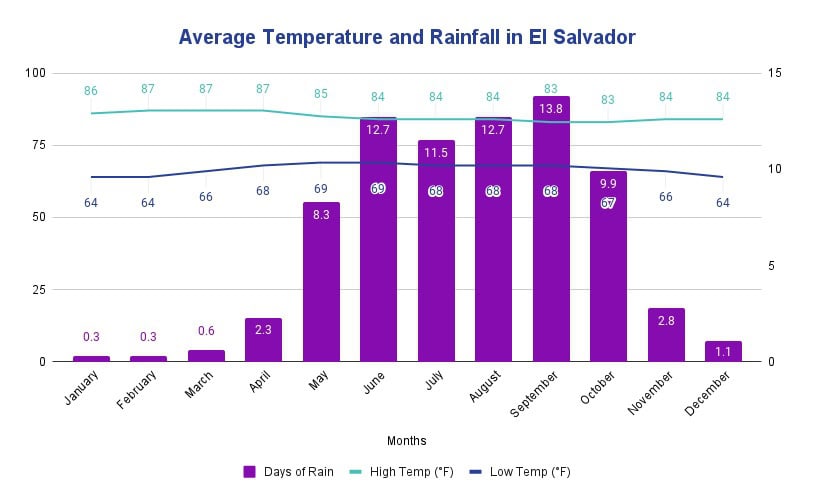
Best Month to Visit El Salvador (Month-by-Month Guide)
Whether you’re looking to catch the best waves, hike in comfortable weather, or experience vibrant local festivals, this breakdown will help you decide when to travel to El Salvador.
| Month | Season | Highlights |
| January/February | Dry Season | Cooler, sunny days; ideal for hiking; less crowded post-holidays; some waterfalls dry. |
| March/April | Dry Season | Higher prices during Semana Santa; start of the surf season; end of dry season in late April. |
| May | Start of Rainy Season | Warmer temperatures; beginning of sea turtle breeding season. |
| June/July/August | Rainy Season | School holidays in August bring local festivities; excellent surfing conditions; ongoing turtle breeding. |
| September | Peak Rainy Season | Continuation of excellent surfing; end of turtle breeding season; increased rainfall may affect hiking. |
| October/November | End of Rainy Season | Less crowded; start of dry season in late November; lush landscapes; flowers blooming along the Ruta de las Flores; ideal for hiking and viewing waterfalls. |
| December | Dry Season | Peak tourist season around holidays; cooler mountain temperatures; book ahead to avoid high prices. |

| Month | High Temp | Low Temp |
|---|---|---|
| January | 86°F (30°C) | 64°F (18°C) |
| February | 87°F (31°C) | 64°F (18°C) |
| March | 87°F (31°C) | 66°F (19°C) |
| April | 87°F (31°C) | 68°F (20°C) |
| May | 85°F (29°C) | 69°F (21°C) |
| June | 84°F (29°C) | 69°F (21°C) |
| July | 84°F (29°C) | 68°F (20°C) |
| August | 84°F (29°C) | 68°F (20°C) |
| September | 83°F (28°C) | 68°F (20°C) |
| October | 83°F (28°C) | 67°F (19.5°C) |
| November | 84°F (29°C) | 66°F (19°C) |
| December | 84°F (29°C) | 64°F (18°C) |
Source: Weather Spark
| Month | Days of Rain | Rainfall (in/mm) |
|---|---|---|
| January | 0.3d | 0.1in (2.5mm) |
| February | 0.3d | 0.1in (2.5mm) |
| March | 0.6d | 0.1in (2.5mm) |
| April | 2.3d | 0.6in (15.2mm) |
| May | 8.3d | 3.3in (83.8mm) |
| June | 12.7d | 5.4in (137.2mm) |
| July | 11.5d | 4.2in (106.7mm) |
| August | 12.7d | 4.9in (124.5mm) |
| September | 13.8d | 5.7in (144.8mm) |
| October | 9.9d | 4.1in (104.1mm) |
| November | 2.8d | 1.0in (25.4mm) |
| December | 1.1d | 0.2in (5.1mm) |
Source: Weather Spark
Best Time to Visit El Salvador by Activities and Festivals
It’s not always about the weather! Choosing the right time to visit El Salvador can hinge on what you want to do and see.
Here’s a concise guide to help you decide when to visit based on activities and local celebrations.
Surfing
El Tunco and other beaches along the Pacific Coast offer superb surfing conditions almost year-round. March to November is ideal for the best waves.
Hiking
The dry season, November to April, offers the safest and most comfortable conditions for hiking. Trails are well-maintained and less slippery.
However, hiking during the rainy season means fewer crowds and lush landscapes, but be prepared for muddy conditions—I had a few slippery adventures myself!
Viewing Waterfalls
The start of the dry season, November to early December, is perfect for waterfall chasers. The falls are still full from the rainy season but with fewer rain disruptions.
I tackled the 7 Waterfalls Hike in Juayua right at the end of the rainy season – it was SLIPPERY, but the views were worth every step.

Visiting Ruta de las Flores
Plan your visit between November and February to see the Ruta de las Flores in full bloom. The weather is great for outdoor activities, and the vibrant colors are spectacular.
I missed peak bloom by a whisker during my October visit, so timing is everything!

Witnessing Sea Turtle Hatching
Head to places like Jiquilisco Bay from May to September to see sea turtles hatching. Always respect wildlife guidelines to ensure these creatures are protected during your visit.
I had the chance to visit an ethical turtle hatchery in Nicaragua, and it was an incredible experience!
Best time to Visit San Salvador
The best times for milder weather and less rain are January to April and November to December. These months avoid the peak holiday crowds, making exploration more relaxed.
El Salvador’s Festivals and Holidays
Joining local festivals can make your trip extraordinarily memorable. Here are key dates to consider:
- Semana Santa (Holy Week): Late March or early April. It’s busy, but the cultural immersion is incredible.
- Festival of El Salvador (August 1-6): The country’s biggest holiday with fireworks and parades.
- Balls of Fire Festival (August 31): A unique event in Nejapa where locals commemorate a volcanic eruption with a fiery, energetic celebration.
- Independence Day (September 15): Nationwide celebrations with parades and ceremonies.
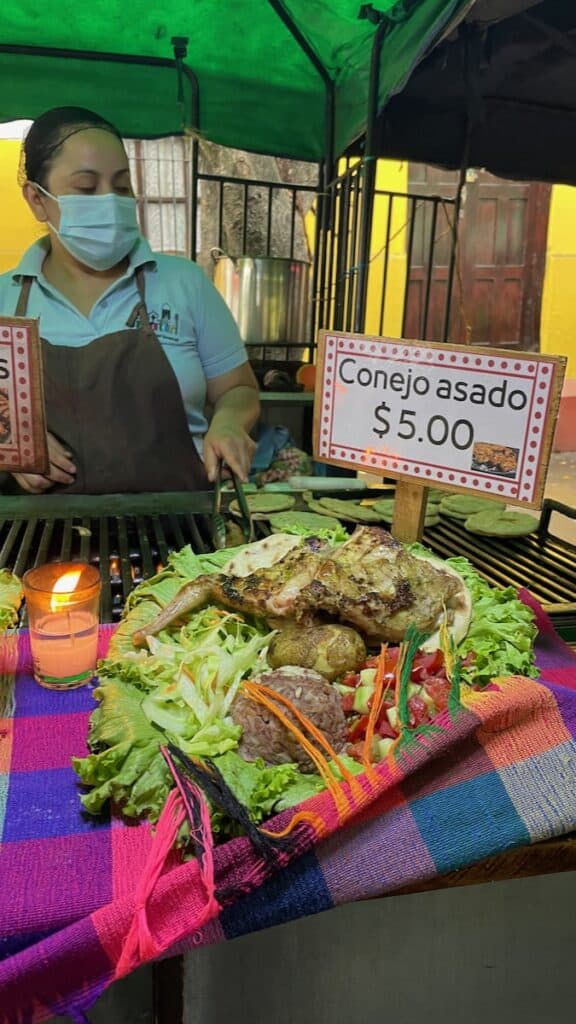
- Additionally, the Juayua Food Festival happens every weekend, offering a taste of local cuisine, which is a fantastic way to mingle with locals and try dishes like grilled rabbit and fresh seafood.
Remember, visiting during these peak times means planning ahead as places get booked quickly and prices may rise.
| Date | Holiday or Celebration | Description |
| January 1 | New Year’s Day | Celebrate the new year with festivities across the country. |
| March/April | Semana Santa (Holy Week) | A vibrant and busy time; plan for crowds and immersive cultural experiences. |
| May 1 | Labor Day | Public holiday with local observances. |
| August | School Holidays | Families travel; popular time for local tourists. |
| August 1-6 | Festival of El Salvador | The nation’s largest festival featuring fireworks, music, and parades. |
| August 31 | Balls of Fire Festival | Unique event in Nejapa where participants throw fireballs, commemorating a historic volcanic eruption. |
| September 15 | Independence Day | National day celebrated with parades and official events. |
| October 12 | Día de la Raza | Observance of cultural heritage. |
| November 2 | All Souls’ Day | Remembrance day for the deceased. |
| December 24-25 | Christmas Celebrations | Festive period with widespread celebrations. |
| Every Weekend | Food Festival in Juayua | A must-visit for foodies, featuring local specialties like grilled meats and seafood. |

High Season vs Low Season: Compare Costs and Crowds
Choosing between high and low seasons in El Salvador largely depends on what you value most for your trip.
If sunny days and lively towns top your list, the high season is your best bet. However, if you’re looking to stretch your budget further and don’t mind packing a raincoat, the low season presents a remarkable opportunity to see El Salvador without the crowds.
When I visited El Salvador in October, the rainy season was still in full swing, which meant daily showers but also lush, green landscapes that were truly breathtaking.
The roads were less crowded, and I often found I had trails and beaches almost to myself.
While some days were a washout, the overall cost savings and the tranquility of fewer tourists made the rain worth it!
High Season (November to April)
- Crowds: This is the most popular time for tourists to visit El Salvador. The weather is ideal, attracting international visitors and local vacationers, especially around Christmas, New Year’s, and Easter. Expect more people at major tourist sites and on the beaches, especially in places like El Tunco and around Santa Ana.
- Costs: With the influx of tourists, prices tend to rise. Accommodation rates can increase significantly, and you might find that activities and guided tours also have higher prices. It’s advisable to book well in advance to secure a spot and possibly catch early booking discounts.
Low Season (May to October)
- Crowds: This is the rainy season, so fewer tourists venture to El Salvador, leading to thinner crowds and a more laid-back atmosphere. This can be a great time to visit if you prefer to avoid tourist congestion and experience a more authentic side of El Salvador.
- Costs: Lower demand typically means lower prices. You’ll find better deals on accommodations and may have more room to negotiate on prices for tours and activities. It’s also a time when many local businesses might offer specials to attract more visitors.
👉 My top pick for the best Ruta de las Flores small group tour is the Thermal Tour: Café Albania + Hot Springs + Ataco + Lunch, with a near-perfect 5-star rating. You’ll visit Salto de Malacatiupan waterfalls, Santa Teresa Hot Springs, hop a bike zipline, and more!

Best Time to Travel to El Salvador FAQs
Why visit El Salvador?
Visit El Salvador for its vibrant culture, stunning landscapes, and rich history. Enjoy climbing Santa Ana and Izalco volcanoes, exploring Ruta de las Flores, and visiting unique waterfalls. Relax on beaches like La Libertad and El Tunco, take boat rides on Lake Coatepeque, and immerse yourself in local flavors with fresh tropical fruits, pupusas, and renowned coffee.
When is summer in El Salvador?
Summer in El Salvador, known as the dry season, runs from November to April.
April is the hottest month in El Salvador. It marks the end of the dry season and the beginning of the rainy season.
What to see in El Salvador?
In El Salvador, hike up Santa Ana Volcano, explore breathtaking waterfalls like Tamanique, and uncover history at the ancient Mayan ruins of Tazumal. Don’t miss the volcanic black-sand beaches at El Zonte and experience the bustling local markets, especially in San Salvador, where you can sample street food and shop for handmade crafts.
When is winter in El Salvador?
Winter, or the rainy season, spans from May to October in El Salvador.
When is the rainy season in El Salvador?
The rainy season extends from May through October, with frequent afternoon showers.
One of the upsides of visiting El Salvador during the rainy season is fewer crowds and lower prices.

Wrap Up: When Is the Best Time to Go To El Salvador?
There’s nothing worse than arriving at a vacation spot and realizing you’ve come at the wrong time of year!
The best time to visit El Salvador is during the dry season, from November to April, when warm, sunny days are perfect for outdoor activities.
However, if you want to experience fewer crowds, save some money, and still enjoy warm temperatures and beautiful scenery, the beginning or end of the rainy season, like late October/early November or late April/early May, is the perfect time for your trip.
The worst time to visit El Salvador is from May to October, when heavy rains cause disruptions, especially in rural areas. I also recommend avoiding big holidays like Christmas and Easter (because I hate crowds).
Ultimately, the weather is unpredictable no matter where you are in the world. But by planning a trip to El Salvador during the dry season, you can increase your chances of having a fun vacation.
Now that you know when to visit beautiful El Salvador, check out my favorite tours and activities to make the most of your stay!
🚙 Thinking about renting a car in Central America? I rented a car in El Salvador and was able to see so much more than if I only traveled by bus. I recommend using Discover Cars to compare costs and get the best deal.
Read More About El Salvador:
- Ultimate 1 Week El Salvador Itinerary for Adventurers
- El Salvador Solo Travel: A Solo Female Traveler’s Guide
- Ultimate Travel Guide to Backpacking El Salvador
- Is El Salvador Safe? + 21 Safety Tips for Travelers
- Ruta de Las Flores: Ultimate Travel Guide + 17 Things to Do
- Ultimate Ruta de Las Flores Itinerary for 1-3 Days
- 3 Best El Salvador Hot Springs: Everything You Need to Know
- 10 Stunning Waterfalls in El Salvador that You Must See
- What is the El Salvador National Bird? + 11 Interesting Facts
- 13 Best El Salvador Tours You Can’t Miss
- Ultimate Guide to Renting a Car in El Salvador
- Best Time to Visit El Salvador for Outdoor Fun!
- Backpacker’s Guide to Chicken Buses in Central America
- San Salvador to Copan Ruinas via Bus: Easy Instructions
- 11 Delicious Fruits in El Salvador You Must Taste at Local Markets
- Is El Salvador Worth Visiting? + 15 Pros and Cons
- Best Ruta de las Flores Tours from San Salvador
- Seven Waterfalls Hike El Salvador: Epic Juayua Adventure
- Juayua Food Festival Guide (by a Food-Obsessed Traveler)
- Is Santa Ana El Salvador Safe?
📝 El Salvador Travel Planning Guide 🇸🇻🌟
Before you embark on your unforgettable journey to El Salvador, here are the essential tips every traveler should know:
🚑 Should I buy travel insurance for El Salvador?
✅ 100% YES! — My #1 Safety Tip for all travelers is to buy travel insurance for every trip in case anything happens on their visit. I recommend and use SafetyWing – it’s cheap and comprehensive.
🛟 Is El Salvador safe for tourists?
✅ YES, El Salvador is generally safe for tourists, but there are some areas to avoid. Ask your hotel for the most up-to-date information before heading out. When you’re out, stay alert, stick to busy streets, and avoid isolated areas. Read more about staying safe in El Salvador.
💧Can you drink the water in El Salvador?
🚱 No — It’s recommended to drink filtered or bottled water in El Salvador (but using tap water to brush your teeth is usually fine). I recommend this reusable water bottle! It works great, turning tap water into safe-to-drink water that tastes good.
🚙💨 Is it safe to rent a car in El Salvador?
Yes — Renting a car in El Salvador is one of the best ways to see the country! I recommend Discover Cars, which checks both international companies and local Salvadoran companies, so you get the best rates.
🏩 What’s the best way to book my El Salvador accommodations?
My go-to for El Salvador hotels is Booking.com. For hostels, I use HostelWorld. Or get free accommodations with Trusted Housesitters!
✈️ What’s the best site to book El Salvador flights?
For finding cheap El Salvador flights, I recommend CheapOAir.
🎫 Do I need a visa for El Salvador?
Likely Not — El Salvador allows visitors from close to one hundred jurisdictions to visit El Salvador without a visa and stay for up to 180 days. US passport holders don’t need an El Salvador visa for stays of up to 90 days, but you must purchase a tourist card for $12 USD upon arrival.
💰 𝗖𝘂𝗿𝗿𝗲𝗻𝗰𝘆: The currency here is the US Dollar, and there are plenty of ATMs if you need cash. I always withdraw from ATMs to get the best rates (select “no” when it asks you if you accept the conversion rate). Credit cards aren’t commonly accepted outside of major cities.
🪙 Tipping: Tipping 10% in restaurants is expected, but make sure it’s not already included in your bill as “servicio.”
🚕 𝗧𝗿𝗮𝗻𝘀𝗽𝗼𝗿𝘁𝗮𝘁𝗶𝗼𝗻: Getting around El Salvador is a breeze! Uber is safe and cheap in major cities like San Salvador and Santa Ana. Local buses are generally efficient and easy to use. Renting a car is also a good option.
🗣️ Language: Many locals don’t speak English, so brush up on your Spanish! It can also be helpful to download the Spanish language option on Google Translate if you’ll be offline.
📶 𝗖𝗼𝗻𝗻𝗲𝗰𝘁𝗶𝘃𝗶𝘁𝘆: El Salvador has inconsistent internet connectivity – it’s better in the main cities than in rural areas.